Before you read any of this
Safe Daira is a technology company, not a religious authority. This guide is a plain-language summary of the widely-agreed structure of the rites, written so that a first-time pilgrim knows what happens and when. It is not a fatwa and it does not settle disputed questions. Where the schools of law differ we say so rather than picking one. For anything that affects the validity of your Hajj, ask a qualified scholar or the guide travelling with your group.
Start anywhere. Most people start with the day-by-day.
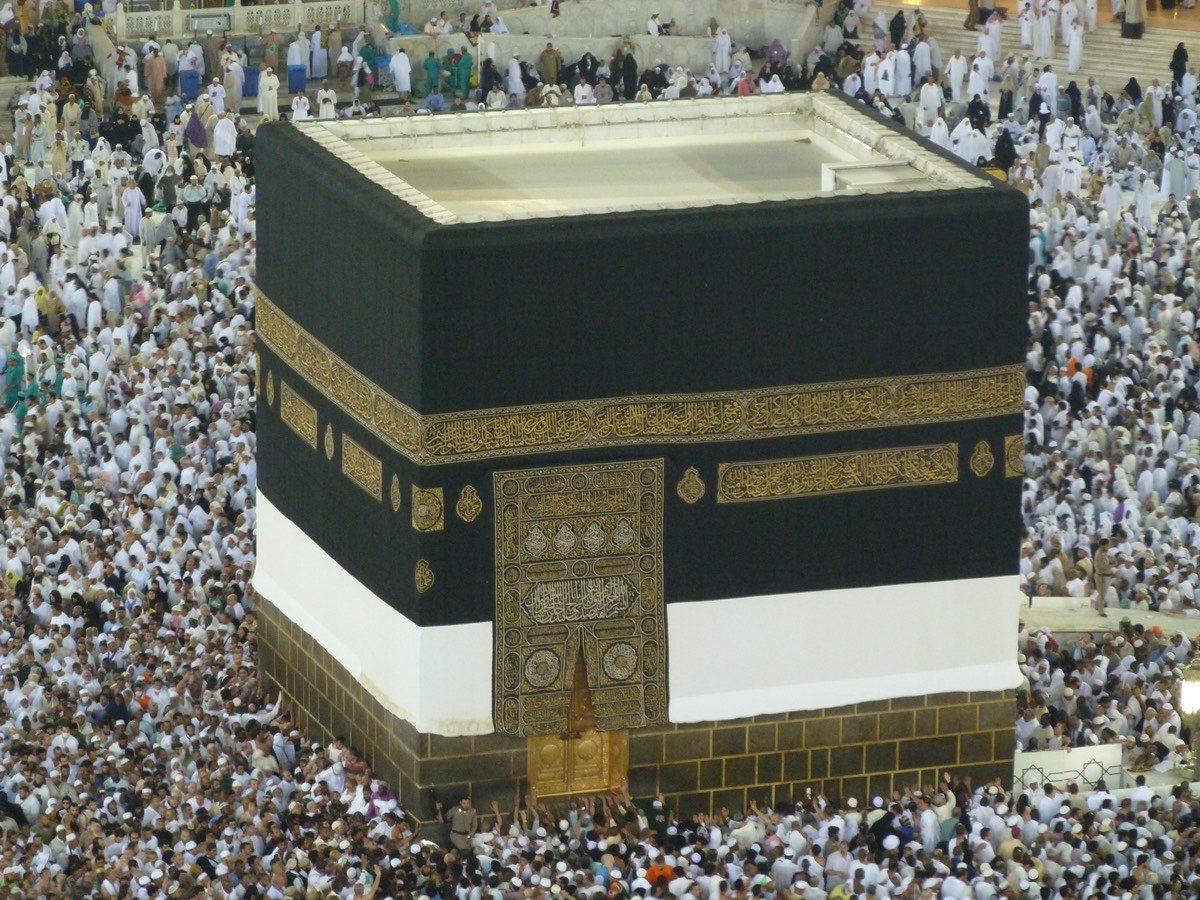
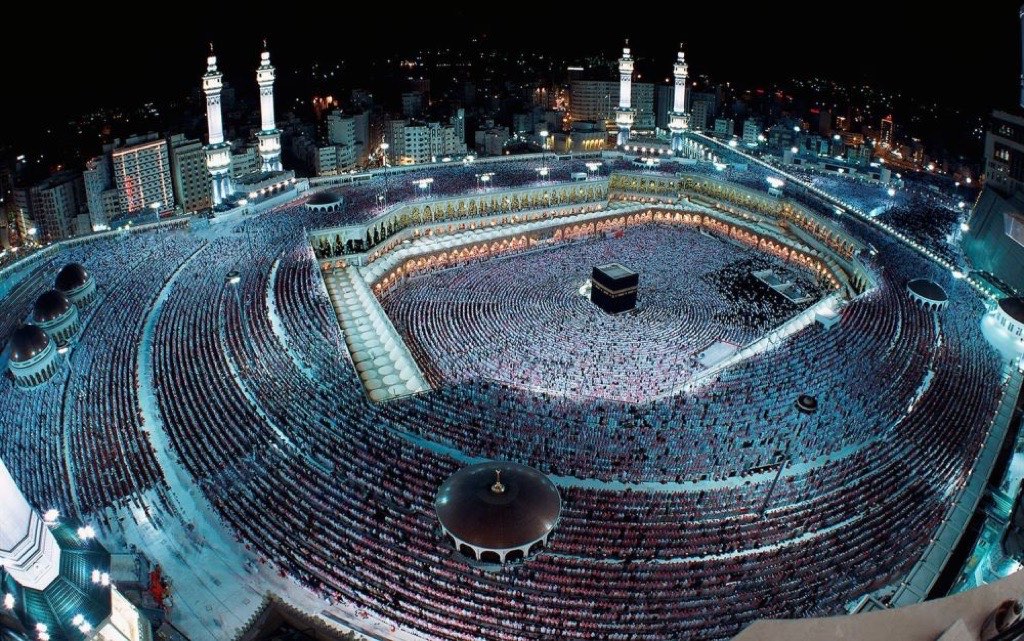
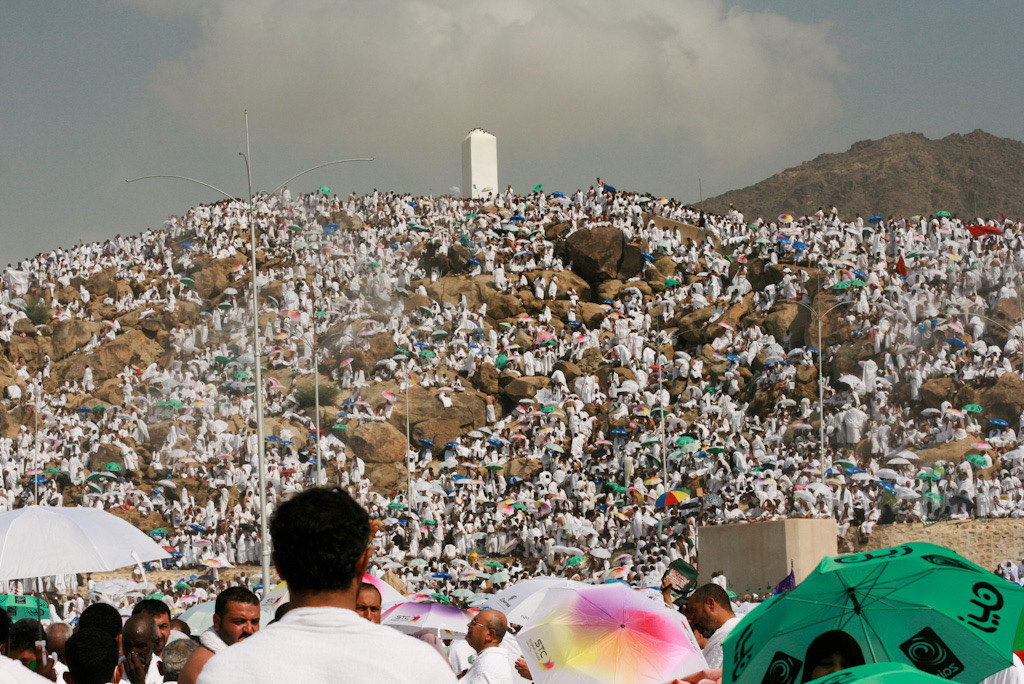
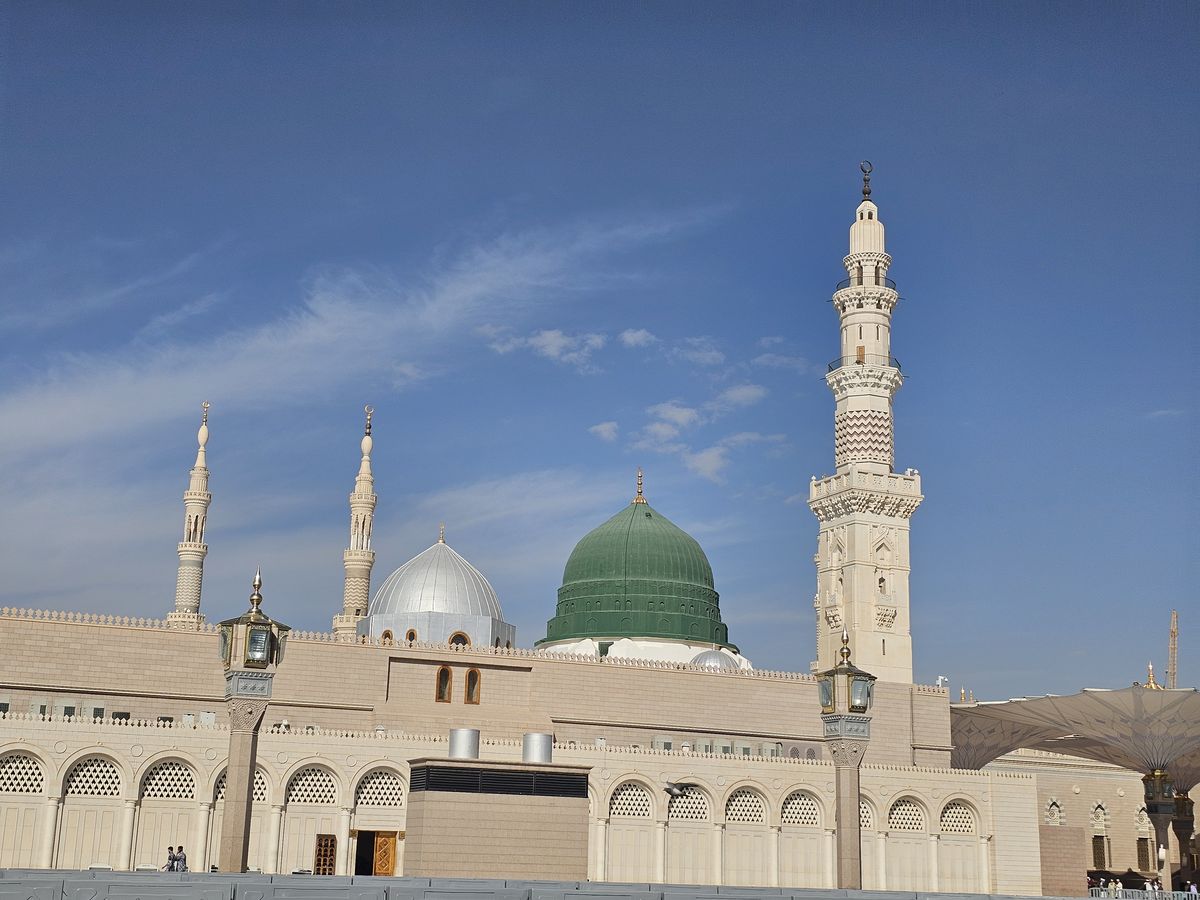
Which of the three are you performing?
Your operator has almost certainly already chosen for you, and for most pilgrims travelling from outside the Haram boundary the answer is Tamattu‘. It is still worth knowing which one you are in, because it changes when you enter ihram and whether a sacrifice is due.
Tamattu‘
Enjoyment
Umrah first, leave ihram, then enter ihram again for Hajj.
You enter ihram for Umrah at the miqat, perform tawaf and sa‘i, cut your hair and leave the state of ihram entirely. You then live normally in Makkah until 8 Dhul Hijjah, when you enter ihram again for Hajj. This is the most common form for pilgrims travelling from outside the Haram boundary, and it is what most operators plan around. A hady (a sacrificial animal) is required.
A hady (sacrifice) is required
Qiran
Combining
One ihram covering both Umrah and Hajj, without leaving it in between.
You enter ihram intending both Umrah and Hajj together and remain in ihram continuously until the rites of Hajj are complete. It is demanding, because the restrictions of ihram apply for the entire period. A hady is required.
A hady (sacrifice) is required
Ifrad
Singling out
Hajj alone, with no Umrah in the same journey.
You enter ihram for Hajj only and remain in ihram until the rites are complete. No hady is required. This is the usual form for residents of Makkah and those inside the miqat boundary.
No hady required
Not everywhere asks something of you.
Roughly half the places a pilgrim passes through have no rite attached at all. You are not required to do anything at Jabal an-Nur, or at Uhud, or at Masjid al-Qiblatayn. You are simply standing somewhere that mattered, and unless somebody tells you why, you will photograph it and move on.
That is the half of the guide the band exists to deliver, because it is the half you cannot look up while you are standing in it.
Every place, and why it matters